

Ever found yourself drowning in extra work – agreeing to that last-minute request you really didn’t have time for, or double-booking yourself into a meeting you knew was impossible (perhaps you’d optimistically hoped your AI clone would be handling things by now, but alas, not yet)? If so, you are absolutely not alone. Many of us juggle competing demands, and navigating them effectively often comes down to one crucial skill: setting boundaries.
Why setting boundaries is essential
Setting clear boundaries at work isn’t about being rigid or unhelpful; it’s fundamental to maintaining your psychological wellbeing, boosting your performance, and increasing your overall job satisfaction. While the phrase “setting boundaries” might sometimes carry negative connotations, suggesting inflexibility or a lack of commitment, the reality is quite the opposite. Healthy boundaries are necessary for maintaining psychological stability and are essential for fostering positive, productive relationships with colleagues, managers, and clients.
In today’s dynamic workplace, collaboration, quick adaptations to last-minute changes, and agility are par for the course. Setting boundaries isn’t about refusing to be a team player or collaborate. However, even with the best planning, the constant demand for flexibility can sometimes leave you feeling drained and burnt out. Recognizing this feeling is key, as it signals the need to establish healthy limits to protect your energy and effectiveness.
Why guilt is your go-to
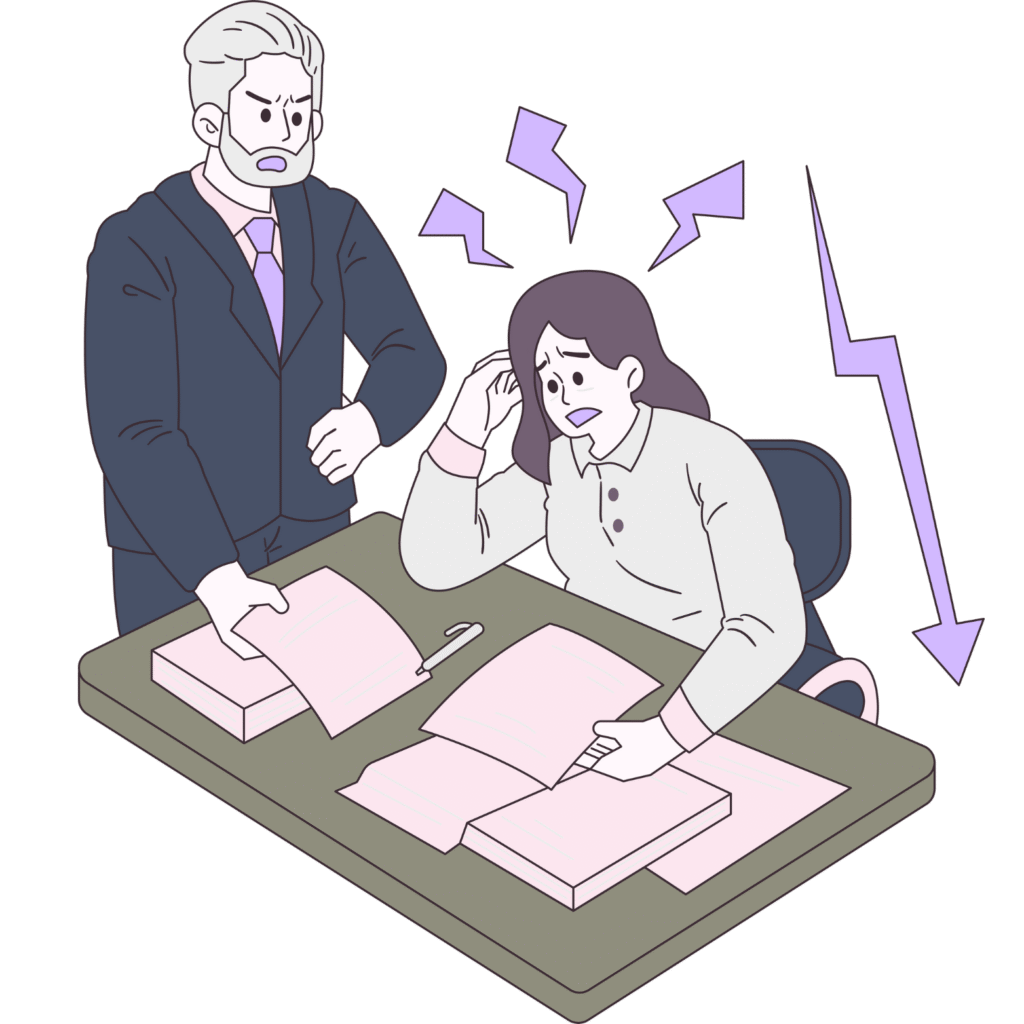
A powerful and often unwelcome emotion surfaces when we consider setting boundaries: guilt. This manifests as feeling bad about saying no, or the worry that you’re letting others down. Guilt is a remarkably common response, particularly in the workplace, where there’s often a strong expectation to deliver and perform, sometimes at significant personal cost. What drives this internal pressure? It’s frequently rooted in an urge or expectation – often internalized – to meet every demand, regardless of the impact on your own capacity and wellbeing. This can lead to a cycle where an individual struggles to say no, experiences anxiety and stress as a result, but keeps these struggles hidden, perhaps out of fear of judgment or appearing incapable. This lack of open communication prevents the organisation from understanding or addressing the issue, creating a silencing effect for the individual and perpetuating a cycle of anxiety and mental strain that can ultimately lead to burnout or even the employee leaving.
How to set boundaries
Setting boundaries is a skill that improves with practice. Here are some strategies, both for long-term perspective shifts and in-the-moment actions:
In the long term…
1. Consider the real pros and cons of NOT having boundaries.
We often fall into the trap of overestimating the perceived benefits of saying yes to everything (like being seen as helpful) while drastically underestimating the very real costs (like burnout, decreased quality of work, resentment, and neglecting personal time). Take that last-minute presentation request, for example. The perceived “pro” might be temporary approval. But the “cons” could include working late, feeling stressed, having less time for other important tasks, and negatively impacting your overall wellbeing. Weighing these honestly can shift your perspective.
2. Challenge unhelpful thought patterns.
Many of us hold ingrained beliefs that make setting boundaries difficult. Thoughts like, “Everyone will think I’m not a team player if I don’t do this,” or “My boss will think I’m lazy,” are common but often inaccurate. Question these assumptions. Is it truly realistic that one refusal, handled professionally, will ruin your reputation? What evidence do you have for this belief? Often, these thoughts are exaggerations driven by fear. Replacing them with more balanced perspectives, like “Saying no to this allows me to do a better job on my existing priorities,” or “It’s okay to have a full workload,” can be empowering.
In the moment…
When faced with a request that challenges your capacity, try these steps:
1. Notice and acknowledge any guilt.
The very first step is simply becoming aware of your emotional response. When a co-worker, manager, or client makes a request and you feel that familiar twinge of guilt at the thought of saying no, pause. Notice that feeling. What is your immediate inclination? Do you feel pressured to backtrack or soften your boundary? Simply observing this automatic response without judgment gives you the power to choose a different, healthier action instead of reacting impulsively out of discomfort.
2. Provide brief context.
Don’t assume the other person knows your current workload or priorities. They might genuinely believe you have the capacity to help. Briefly and professionally explaining *why* you can’t accommodate the request at this time can be helpful. For instance, “Thanks for thinking of me, but I’m currently focused on finishing the quarterly report which has a tight deadline,” or “My calendar is completely booked this afternoon with urgent client calls.” This isn’t making excuses; it’s offering transparency that clarifies your position.
3. Practice assertiveness.
This is often the most challenging step, but it’s crucial. Assertiveness isn’t aggression; it’s about clearly and respectfully stating your needs or limitations. It takes practice and can feel uncomfortable initially. Be direct: clearly ASK for what you need or SAY NO clearly. Avoid vague language, hinting, or hoping the other person will just figure it out.
4. Display confidence.
How you deliver your message matters. Use a calm, confident voice tone. Maintain good eye contact. Your physical presence can reinforce your verbal message and make your boundary feel firmer and more professional. Standing tall and speaking clearly projects confidence, even if you don’t feel it internally at first.
5. Negotiate or offer alternatives (where possible).
If a complete “no” isn’t the only option and you want to be helpful within your limits, try to negotiate. Can you help in a smaller way? Can you do it later? Can you suggest someone else who might be available? Maintain your core boundary (e.g., “I can’t do the whole presentation today”) but offer a solution that works for you (e.g., “But I can review the slides tomorrow morning,” or “Have you tried asking [Colleague’s Name]?”). Focus on finding a workable solution that respects both your limits and the project’s needs.

The Bottom Line
Setting boundaries at work is crucial for maintaining psychological wellbeing, performance, and satisfaction, despite often being accompanied by feelings of guilt driven by expectations to constantly deliver. While flexibility and collaboration are part of the modern workplace, setting boundaries is necessary to manage demands, prevent burnout, and foster healthy relationships, rather than refusing to be a team player. Overcoming the common feeling of guilt involves understanding its roots and implementing strategies such as considering the consequences of not having boundaries, challenging negative thought patterns, noticing and acknowledging guilt in the moment, providing context for your limitations, practicing clear assertiveness, displaying confidence, and negotiating alternatives when possible.